
How long does it take to build a custom pool in Los Angeles?
GWP Builders Inc. states that a typical new gunite pool takes about six to ten weeks from excavation to first swim, depending on weather, permits, and finish selections. For the San Fernando Valley, it describes roughly three to five months from design to first swim. Design, engineering, and permit approval happen before digging, and those steps vary the most from one property to the next.
“How long will it take?” is usually the second question homeowners ask about a new pool, right after “How much will it cost?” The honest answer has two parts. Actual construction moves in a fairly predictable sequence, but the time before construction, which includes design, engineering, and permits, depends on your property and on the approving agency.
This article walks through the phases of a new custom pool build in Los Angeles and the San Fernando Valley, explains what moves the schedule, and shows how to avoid delays you can control. It is about new construction. If you are updating an existing pool, GWP Builders Inc. also has a guide on how long a total pool remodel takes in Los Angeles.
Two Timelines, Not One
It helps to separate the project into two timelines.
- Before construction. Site visit, design, engineering, and plan submittal. This phase depends on your decisions, your property, and how long the permitting agency takes to review plans.
- During construction. Excavation through first swim. This phase follows a set order of trades and inspections.
When a contractor says a pool takes a certain number of weeks, ask which of these timelines the number refers to. A construction-only figure does not include the planning that comes first.
The Phases of a New Custom Pool
Every project has its own details, but most new gunite pools follow the same sequence. GWP Builders Inc. lays out its process on its new pool construction page, and the phases below reflect that order.
| Phase | What happens | What can slow it down |
|---|---|---|
| Design and quote | Site visit, measurements, layout, features, and an itemized quote | Decisions on shape, features, and finishes |
| Engineering and plan check | Structural design, soils information where needed, and permit submittal | Agency review time, corrections, hillside or grading review |
| Excavation and steel | Layout, digging, haul-off, steel cage, and a pre-gunite inspection | Weather, access, soil conditions, inspection scheduling |
| Plumbing, electrical, and gunite | Lines, drains, and lights are set, then the shell is sprayed and cured | Inspection timing, rain, equipment layout changes |
| Tile, coping, and equipment | Waterline tile, coping, equipment pad, and decking where included | Material lead times, selections |
| Finish, fill, and final inspection | Interior finish, filling, water balancing, safety checks, and sign-off | Finish lead times, final inspection availability |
The table shows sequence, not durations, because each phase varies by project.
Design and Quote: Where Your Decisions Set the Pace
The design stage is the one phase you control directly. Choosing the shape, depth, features, tile, coping, and interior finish early keeps the plans from changing mid-stream. Changes after plan submittal can mean revising drawings and resubmitting, which can add time.
GWP Builders Inc. starts its custom pool design process with the property, sightlines, and how you want to spend time outside, and includes site and sun study, 3D renderings, and budget alignment. Spending time here usually saves time later.
Engineering and Permits: The Least Predictable Stretch
Permits and plan review are the part of the timeline that contractors cannot fully control. In the City of Los Angeles, a new pool involves building, electrical, and plumbing permits, and hillside lots may require grading review and added structural engineering. Rules and processing times differ by city and agency, and they change, so confirm requirements with the agency that governs your address.
GWP Builders Inc. says it handles City of Los Angeles permits, structural engineering, and inspections for its builds. Having one team manage that process helps keep submittals complete and corrections moving, though agency review time is still outside any contractor’s control.
Construction: Excavation Through First Swim
Once permits are in hand, construction follows a sequence. Digging comes first, followed by the steel reinforcement cage. An inspection happens before the shell is sprayed, so the work stops until the inspector signs off. Plumbing, electrical lines, drains, and lights are installed before gunite, because they have to be set inside the structure.
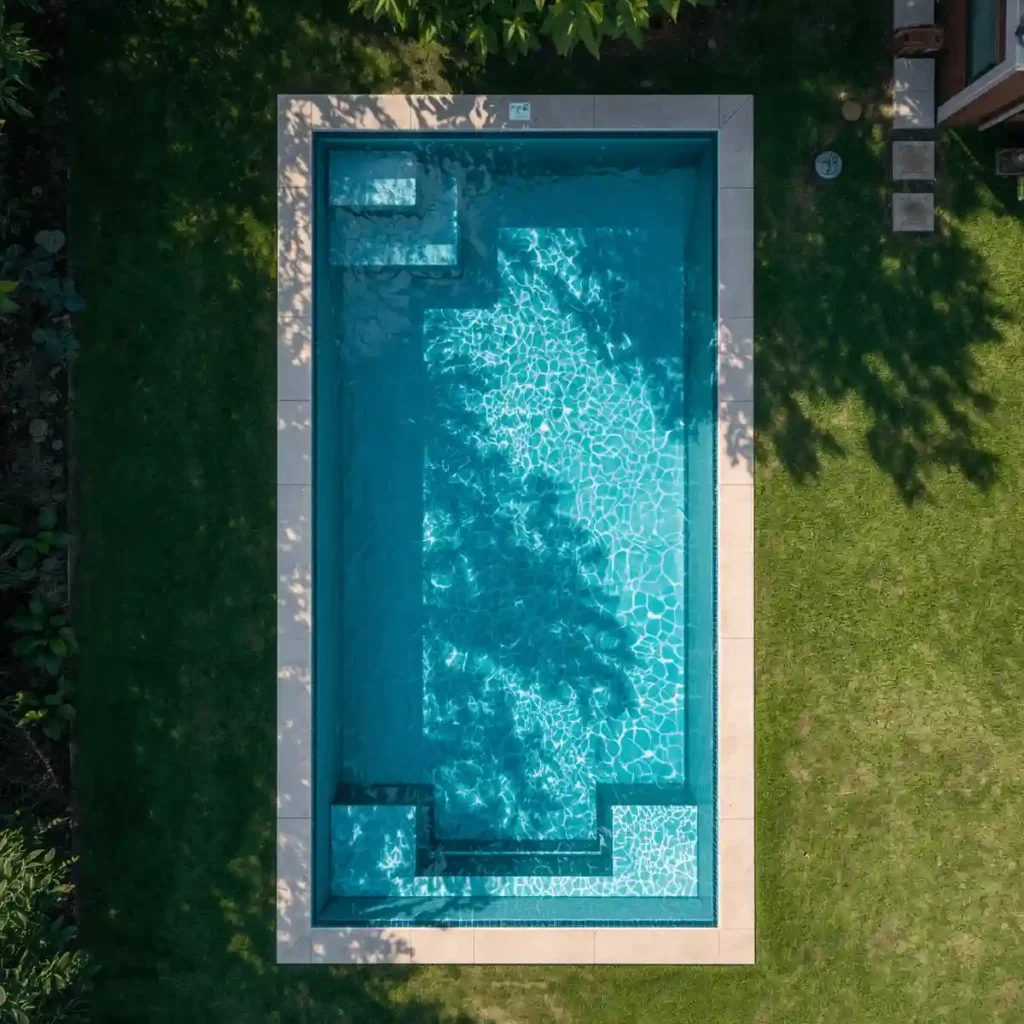
After the gunite is applied, the shell needs time to cure. Tile, coping, and the equipment pad follow, then decking if it is part of the contract. The last stage is the interior finish, filling the pool, balancing the water, and the final inspection. GWP Builders Inc. cites about six to ten weeks for this construction stage from excavation to first swim.
What Can Delay a Pool Project
Some delays are predictable, and a few can be reduced.
- Plan corrections. Incomplete or revised plans extend review.
- Weather. Heavy rain can pause excavation and gunite work, and GWP Builders Inc. notes that weather, inspections, and finish lead times can move the schedule.
- Inspection scheduling. Work cannot continue past certain points without approval.
- Material lead times. Special tile, stone, or finishes may take longer to arrive.
- Site conditions. Tight access, hillsides, and unexpected soil conditions add complexity.
- Late changes. Adding a spa, a waterfall, or a different finish after construction begins can disrupt the sequence.
- Outside approvals. If your home has a homeowners association, its review process may add time.
How to Keep Your Project on Schedule
You cannot control the weather or the inspector, but you can influence the rest.
- Finalize design choices and finishes before plans are submitted.
- Answer your contractor’s questions quickly.
- Start any homeowners association review early, if one applies.
- Ask for a written schedule and how updates will be communicated.
- Confirm who is responsible for permits and inspections.
When choosing a contractor, the California Contractors State License Board advises homeowners to verify the license, get written bids based on the same scope, and understand the contract, including payment terms. A clear contract makes the schedule easier to hold everyone to.
Safety Features Before the Final Inspection
Pool safety requirements are part of the final steps, and they are worth planning early. The Pool Safely program recommends a fence at least 4 feet high around a pool, with self-closing, self-latching gates, along with alarms and covers. See its barrier checklist for details. GWP Builders Inc. notes that California requires a new residential pool to include safety features from a state list, so ask your contractor which ones your project will use. Local building rules decide what is required for your address.
Key Takeaways
- A new pool has two timelines: the pre-construction phase and the construction phase.
- GWP Builders Inc. cites about six to ten weeks from excavation to first swim, and roughly three to five months from design to first swim in the San Fernando Valley.
- Permits and plan review are the least predictable part of the schedule.
- Early design decisions and quick responses are the best ways to avoid delays.
- Weather, inspections, and finish lead times can move the schedule.
Frequently Asked Questions
How long does it take to build a custom pool in Los Angeles?
GWP Builders Inc. says a typical new gunite pool takes about six to ten weeks from excavation to first swim. From design to first swim, it describes roughly three to five months in the San Fernando Valley. Permits, weather, and finish selections can change the total.
What takes the longest when building a pool?
Design, engineering, and permit review often take the longest and are the hardest to predict. Once digging begins, the sequence is more consistent. Finish and tile lead times can also stretch the schedule.
Can weather delay pool construction?
Yes. Rain can pause excavation, plumbing, and gunite work, and extreme weather can affect scheduling. Contractors usually plan for some weather impact, so ask how delays are communicated.
Do I need permits to build a pool in Los Angeles?
Generally yes. New pools typically need building permits and related electrical and plumbing permits, and hillside lots may need grading review. Confirm the current requirements with the agency that governs your property.
How can I speed up my pool project?
Finalize your design and finishes before plans are submitted, respond promptly to questions, and start any homeowners association approvals early. Avoid changes after construction begins. A licensed contractor who manages permits and inspections can also keep things moving.
Start Planning Your Custom Pool Timeline
If you are thinking about a new pool and want a realistic schedule for your property, GWP Builders Inc. can walk you through the phases, permits, and decisions that shape the timeline. Contact GWP Builders Inc. for a free consultation and a detailed, itemized estimate for your Los Angeles or San Fernando Valley project. Call (888) 515-4488 to get started.