
What safety features does a family swimming pool need?
The essential safety features for a family pool are a barrier of at least 4 feet around the entire pool with self-closing, self-latching gates, alarms that alert you to entry, compliant anti-entrapment drain covers, a safety cover when the pool is not in use, slip-resistant surfaces, good lighting, and an adult who is actively supervising. No single feature replaces the others, so use them in layers.
A backyard pool is one of the best things a family can add to a home, and also one that deserves careful planning. Safety is not a single product. It is a set of layers that work together, so if one layer fails, another is still in place. Supervision, physical barriers, alarms, covers, safe drains, and thoughtful design all play a role.
This guide explains the features that matter most for families, how to think about them when building a new pool or upgrading an existing one, and which details are easy to overlook. It is general guidance, and local codes and your licensed professionals should always guide the final decisions for your property.
Think in Layers, Not Single Features
Safety experts describe pool protection as layers. A fence does not replace supervision, and an alarm does not replace a fence. Each layer reduces risk, and together they cover the gaps that any single layer leaves.
The U.S. Consumer Product Safety Commission’s Pool Safely program recommends several of these layers, including a four-foot fence around the full perimeter, self-closing and self-latching gates, alarms, safety covers, and an adult “water watcher” whenever children are in the water. The program’s barrier checklist for pool and spa owners also reminds owners to check local and state codes, which may be stricter than the federal recommendations.
Barriers, Fences, and Gates
A barrier keeps children from reaching the water unsupervised, so it is usually the first physical layer to plan. The most important details are the ones that are easy to get wrong.
- Height. The CPSC recommends a fence at least 4 feet high around the entire pool or spa.
- Gates. Gates should be self-closing and self-latching, and they should open away from the pool.
- Perimeter. The barrier should surround the pool on every side, not only the side facing the street.
- Climbability. Furniture, planters, and equipment placed near a fence can turn it into a ladder.
- House as a barrier. When a wall of the house forms one side of the enclosure, doors need alarms or another added layer of protection.
GWP Builders Inc. has a separate article on swimming pool safety fencing requirements that goes deeper on fencing. Because requirements are set locally, confirm the rules for your address with the City of Los Angeles or your local building authority before you build.
Alarms and Covers
Alarms add an audible warning if a barrier is breached or someone enters the water. Options include door alarms, gate alarms, and alarms that sound when the pool surface is disturbed. They work best when they are tested regularly and when everyone in the home understands what they mean.
Safety covers reduce access to the water when the pool is not in use. They must be in good working order, and the controls should be kept out of children’s reach. Covers also help keep debris out and reduce evaporation, which is a practical bonus in a dry climate.
Drain Covers and Suction Safety
Water circulation depends on drains and suction outlets, and a blocked or damaged drain can create a hazardous suction. The CPSC explains that the Virginia Graeme Baker Pool and Spa Safety Act requires compliant drain covers on public pools and spas, and that a single blockable drain, or multiple drains on the same plane placed less than three feet apart, needs a secondary anti-entrapment device or system. The same safety logic is sensible for a home pool, even where the federal rules are written for public venues.
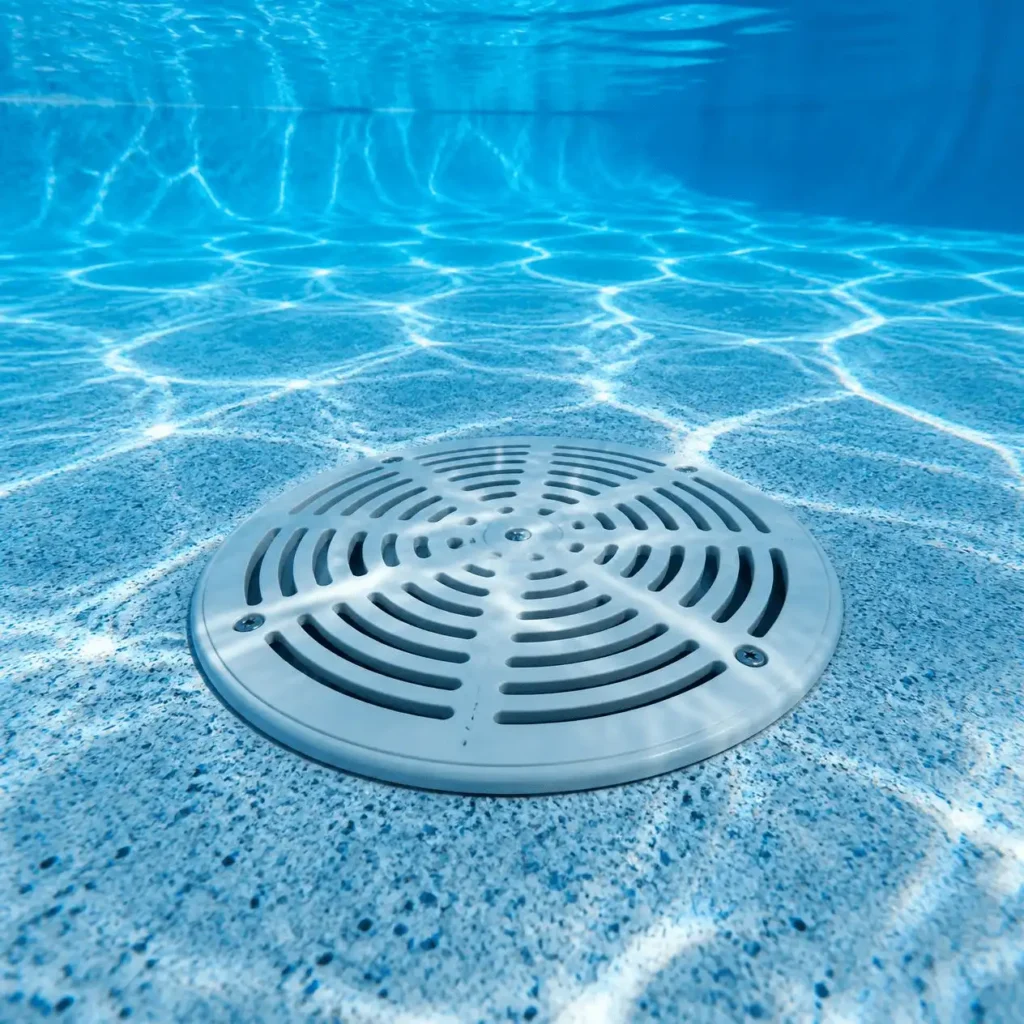
Never use a pool or spa with a broken or missing drain cover. If you are building or remodeling, ask your contractor how suction outlets are designed and which covers and systems are specified.
Design Choices That Make a Pool Safer
Much of pool safety is decided in the design stage, long before the water is added. Custom pool design can make a pool safer without making it less attractive.

- Depth planning. Shallow shelves and clear depth transitions help children and new swimmers, and depth markings make levels easier to read.
- Clear sightlines. A pool that can be seen from the kitchen or main living areas is easier to supervise.
- Safe entries and steps. Wide, well-marked steps and handrails make it easier to get in and out.
- Smooth edges. Rounded coping and thoughtfully finished edges reduce bumps and scrapes.
- Gate placement. Locating gates away from the house and the shallow end reduces the chance of unplanned access.
GWP Builders Inc. says its design process begins with the property, sightlines, and how you want to spend time outside, and its new pool construction work covers design, structure, plumbing, equipment, tile, coping, and finishes from start to finish.
Slip-Resistant Surfaces and Lighting
Wet surfaces are slippery. Deck materials with texture, and finishes designed for traction, help reduce falls around the pool. Ask about slip resistance when comparing deck options, because color and finish affect both heat and grip. Hot surfaces are a separate hazard in Southern California sun, so choose materials that stay comfortable for bare feet.
Lighting supports safety after dark. Underwater lights make the water visible and highlight depth changes, and pathway and step lighting help people move safely around the pool at night. Electrical work around water has strict requirements, so use licensed professionals and make sure all installations follow local electrical codes.
Hiring and Maintenance for Safety
A safe pool depends on how it is built and how it is maintained. Choose a licensed contractor, ask how safety features are handled in the plans, and keep gates, latches, alarms, and covers in working order. Inspect them regularly, since springs, hinges, and batteries wear out.
Store chemicals securely, and keep children out of the area during pool service. Teaching children to swim and learning CPR are also valuable layers, and they complement the physical protections.
Key Takeaways
- Pool safety works in layers: supervision, barriers, alarms, covers, safe drains, and design.
- A fence of at least 4 feet with self-closing, self-latching gates is a core layer.
- Compliant drain covers and secondary systems address suction hazards.
- Slip-resistant surfaces and good lighting reduce falls and improve visibility.
- Check local requirements, because codes may be stricter than federal guidance.
Frequently Asked Questions
What are the most important pool safety features?
The most important features are a barrier at least 4 feet high with self-closing, self-latching gates, alarms, safe drain covers, a safety cover, and adult supervision. They are most effective when used together. No one feature replaces the others.
How high should a pool fence be?
The CPSC recommends at least 4 feet, and some localities require more. Gates should be self-closing and self-latching and open away from the pool. Check your local requirements before building.
Do I need a pool alarm if I already have a fence?
A fence is not a substitute for other layers, and alarms add a warning if the barrier is breached. They are especially useful when the house forms one side of the enclosure. Many families use both.
Are pool covers a safety feature?
Yes, when they are in good working order, covers reduce access to the water while the pool is not in use. They should be kept in working condition, and controls should be kept away from children. A cover is one layer and does not replace supervision.
Can safety features be added to an existing pool?
Often yes. Gates, latches, door alarms, drain cover upgrades, covers, lighting, and non-slip surfaces can usually be added or updated. A licensed contractor can assess the pool and recommend what is feasible.
Build a Safer Family Pool With GWP Builders Inc.
If you are planning a new pool or want to review the safety features of an existing one, GWP Builders Inc. can walk through your options and help you plan a layout that fits your family. Contact GWP Builders Inc. for a free consultation and a detailed estimate for your Los Angeles or San Fernando Valley property. Call (888) 515-4488 to get started.