
Why build a custom pool instead of a standard design?
A custom pool is designed around your lot, your light and how you live, so it fits awkward or sloped yards, uses space more efficiently and includes the features you will actually use, such as a spa, tanning ledge or water features. In Southern California’s climate a well-planned custom pool gets year-round use and adds lasting value to the home.
If you’re a homeowner in the San Fernando Valley or elsewhere in Los Angeles and you’ve been thinking about building a pool, you already know it’s not a small decision. A pool is one of the largest additions most people make to their property, and the choices made during design and planning shape how much you’ll actually use it, how it holds up over time, and what it costs to maintain for years to come.
We’ve built and remodeled pools for families across the region for years, and the homeowners who end up happiest are usually the ones who went in with a clear sense of why they wanted a pool and what they needed it to do for their household. Some want a place to entertain on weekends. Others want a quiet lap pool for morning workouts, or a small plunge pool tucked into a tight side yard. The “why” shapes everything that follows.
This article walks through five practical reasons homeowners are choosing to build a custom pool this year, along with the planning process, material choices, cost factors, and common mistakes worth understanding before you sign a contract.
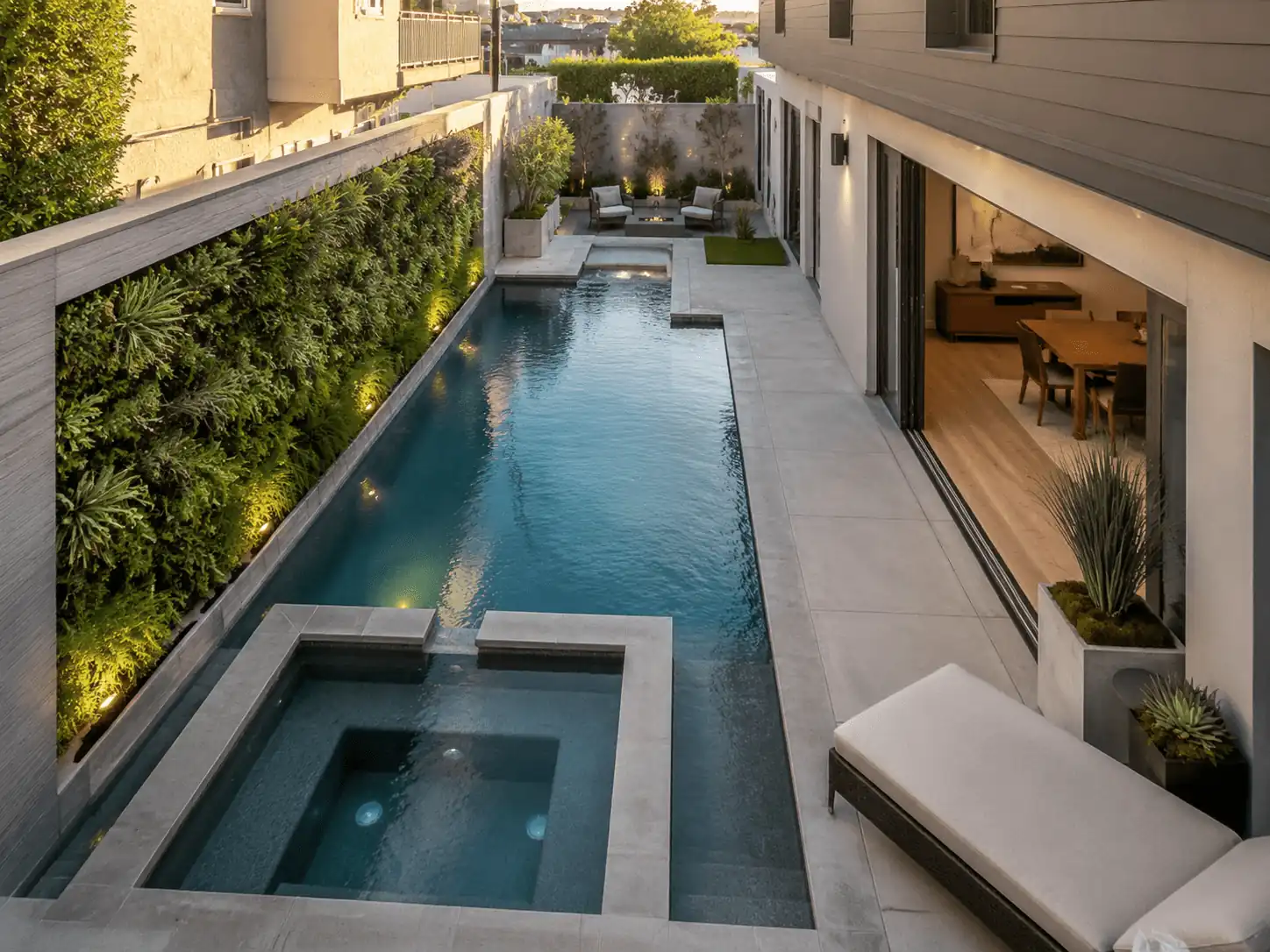
5 Reasons to Build a Custom Pool
A Pool Built Around How You Live
A production or “one size fits all” pool design asks you to adapt your backyard habits to a shape someone else chose. A custom pool design works the other way around, starting with how your family actually spends time outside.
If weekend gatherings are the priority, that might mean a wide sun shelf for lounge chairs, a swim-up bar ledge, or bench seating built into the pool wall so people can talk without floating around. If it’s really about the kids and daily swimming, sightlines from the kitchen and a shallower play area might matter more than a diving end. We spend time on this conversation early, because it’s much cheaper to change a sketch than to change concrete.
Real Value for Your Home
Outdoor living is part of daily life in most Los Angeles neighborhoods, and a well-designed pool is one of the more visible improvements a buyer notices when touring a home. It won’t turn a modest house into a luxury listing on its own, but a properly built, well-maintained pool is consistently seen as an asset rather than a liability in this climate, unlike in regions where pools sit unused for half the year.
The build quality matters here more than people expect. A pool built to current standards, by a licensed contractor, with documentation and permits in place, is far easier for a future buyer’s inspector and lender to sign off on than one built without permits or by an unlicensed crew. That paper trail protects the value you’re creating.
Complete Design Freedom
Building new, rather than working within an existing pool’s footprint, means you’re not constrained by someone else’s decisions from decades ago. You can choose the shape, depth, finish, and features that fit your lot and your goals, rather than working around them.
Freeform vs. Geometric Shapes
Freeform pools with curved edges tend to suit yards with mature landscaping and a more naturalistic look, while geometric pools with clean rectangular or linear lines often fit smaller, modern lots and pair well with contemporary architecture. Neither is objectively better; it depends on the house and the yard.
Adding a Spa, Sundeck, or Water Feature
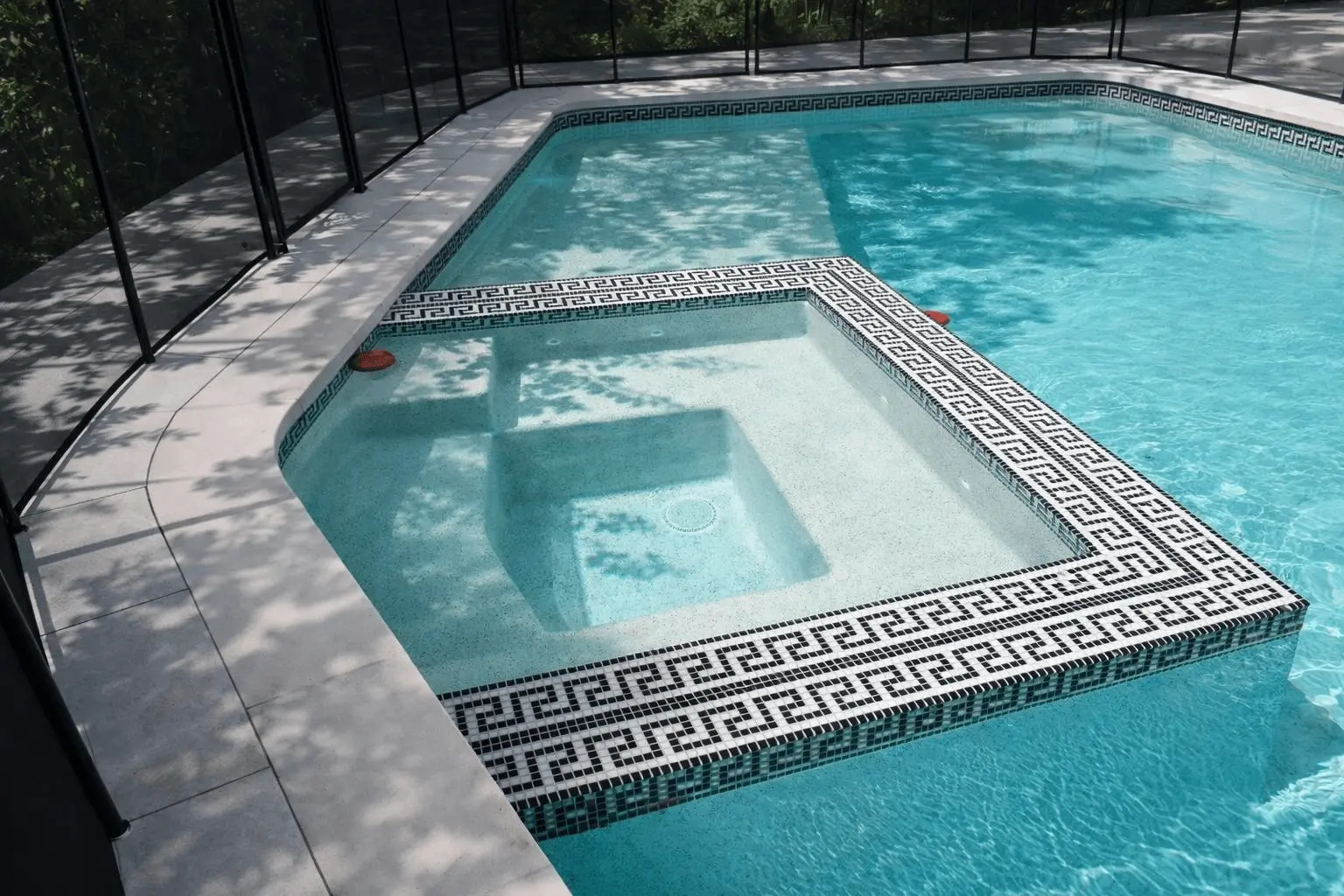
Because everything is being engineered from scratch, this is the point to consider add-ons like an attached spa or hot tub, a raised wall with a sheeting water feature, or a baja shelf. Features like these are dramatically more cost-effective to include in the original plumbing and structural design than to retrofit later, so it’s worth discussing even the ones you’re only half-considering.
Year-Round Use in Southern California
Our mild winters and long swim season are part of why a pool investment goes further here than in most of the country. With the right equipment, a pool built this year can realistically be in use nine to twelve months out of the year rather than sitting covered for half of it.
That’s a meaningful difference when you’re weighing the cost of a build against how much actual use you’ll get. A pool that gets used three seasons a year, for entertaining, exercise, or simply unwinding after work, earns its keep in a way that a pool used only in July and August doesn’t.
Smarter, More Efficient Equipment
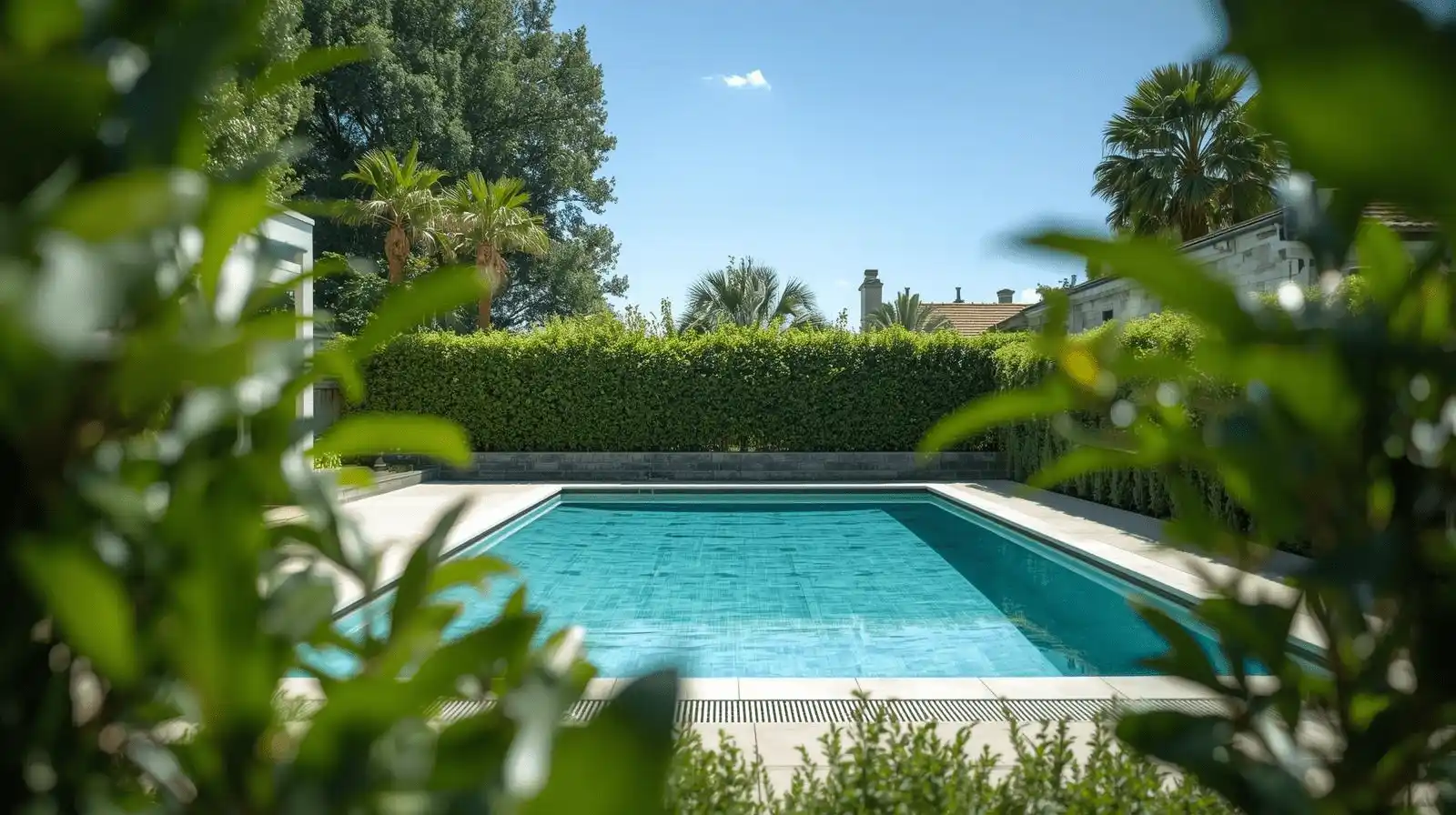
Pool equipment has come a long way. Variable-speed pumps use meaningfully less electricity than older single-speed models by adjusting flow to what’s actually needed, and heat pump or solar heaters can extend your swim season without runaway gas bills. LED lighting and app-based automation controllers also mean you can manage filtration, heating, and lighting schedules from your phone rather than a wall panel in the garage.
Many homeowners building new are also considering a saltwater system instead of traditional chlorine, which tends to be gentler on skin and eyes and reduces the amount of chemical handling day to day. The Department of Energy has useful general guidance on energy-efficient pool and spa equipment if you want to dig into how the different options compare.
Designing the Layout
Start with Your Vision and Lifestyle
Before diving into pool design specifics, take a moment to think about how you intend to use the pool. Do you envision hosting poolside parties, enjoying a peaceful retreat, or perhaps incorporating a fitness area with a lap pool? Knowing your lifestyle preferences will guide the overall design process. For example, if relaxation is your priority, you might consider adding features like a spa or waterfall. Explore more options for custom designs with our pool construction services.
Maximizing Backyard Space
In many Los Angeles neighborhoods, outdoor space can vary widely in size and layout. Some homes have expansive yards while others have smaller spaces that require careful planning. Custom pool design allows homeowners to make the most of whatever space they have available.
Instead of forcing a standard pool shape into the yard, designers can adjust the size, orientation, and features of the pool to fit the landscape. This approach allows the pool to complement patios, gardens, outdoor kitchens, and seating areas without overwhelming the space.
When planned properly, the pool becomes a natural extension of the backyard rather than a separate element. Projects that involve backyard pool construction often focus on balancing the pool with the surrounding environment so that every part of the yard feels usable and inviting.
Improving Flow Between Outdoor Areas
A well designed pool also improves the way people move through the backyard. The placement of walkways, seating areas, and entry points can influence how comfortable the space feels during everyday use.
For example, pools can be positioned to create natural gathering areas nearby. Lounge chairs, shaded pergolas, and outdoor dining spaces often become part of the design. When these elements are arranged thoughtfully, the backyard feels connected and easy to navigate.
This type of planning is common in projects led by experienced pool contractors who understand how to integrate the pool with other outdoor features.
Choosing the Right Pool Shape and Size
The shape and size of your pool can make or break the look of your backyard. While traditional rectangular pools are always popular, modern custom pools come in a variety of shapes to fit your space and design aesthetic. Whether you want a sleek, freeform shape or a geometric pool, your choice will have a significant impact on the overall style. It’s also essential to consider the size of your backyard and how much space you want the pool to occupy. If you’re looking for a compact design, a plunge pool could be a great option. No matter your preferences, we help guide you through the selection process with our expertise in pool builders services.
Incorporating Pool Features for Added Luxury
One of the best parts of designing a custom pool is the opportunity to add luxury features that elevate the space. Think about including water features such as fountains, waterfalls, or even an infinity edge. These features not only add visual appeal but also create a tranquil, resort-like atmosphere. Lighting is another important consideration, as it can transform the look of your pool at night. LED lights, color-changing options, or underwater lighting can all add to the ambiance. Learn more about these high-end features on our pool remodel page.
Planning Your Custom Pool: What the Process Looks Like
A typical new pool construction project starts with a site visit and consultation, where we look at your yard’s grading, soil, access for equipment, existing landscaping, and any utility lines that affect where a pool can go. From there, we develop a design concept, then move into engineering and structural drawings that meet current California building code.
Permitting through your local building and safety department comes next, followed by excavation, steel and plumbing rough-in, gunite or shotcrete application, decking, tile and coping, equipment installation, and finally interior finish and curing. Depending on scope and permit turnaround, most custom builds run several months from signed contract to first swim, and we walk clients through a realistic timeline before work begins rather than after.
Material and Finish Options Worth Considering
Plaster, Pebble, and Tile Finishes
Traditional white plaster is the most budget-friendly interior finish, but pebble and quartz aggregate finishes hold up longer and offer more color and texture options. Full tile and coping along the waterline and edges affects both the look and the long-term durability of the pool’s perimeter.
Decking and Coping Materials
Decking choices, from stamped concrete to travertine to pavers, affect not just aesthetics but how hot the surface gets underfoot and how much upkeep it needs over time. We usually recommend choosing decking and interior finish together, since undertones in one can clash with the other if picked separately.
What Affects the Cost of a Custom Pool
Cost varies more than most homeowners expect, and it’s driven by a handful of specific factors rather than square footage alone. Size and shape complexity matter, but so does site access; a yard that requires hand-digging or crane placement for equipment costs more than one with a clear path for machinery.
Added features like a spa, raised walls, water features, or an automation package all add to the budget, as does the interior finish and decking material you choose. Financing is worth discussing early rather than after design is finished; our financing partner, Lyon Financial, offers fixed-rate plans with terms up to 30 years for qualifying homeowners, which you can review on our financing page.
See typical prices in the Los Angeles pool cost guide and our custom pool design service.
Common Mistakes to Avoid
- Skipping permits or hiring an unlicensed crew: Always verify a contractor’s status through the CSLB license lookup before signing anything.
- Undersizing the equipment pad: A pump and filter sized for today’s pool but not tomorrow’s added spa or water feature ends up needing costly upgrades later.
- Choosing finishes based on showroom samples alone: Colors and textures read very differently under full sun in a large pool than on a small sample board.
- Underestimating decking heat: Some attractive materials get uncomfortably hot on bare feet in summer; ask about options before committing.
Upkeep and Long-Term Care
A well-built pool is easier and less expensive to maintain than one built with shortcuts. Proper plumbing slope, correctly sized equipment, and quality materials all reduce the number of service calls you’ll need over the years. That said, every pool needs a consistent upkeep routine covering water chemistry, filter rinsing, and periodic equipment checks.
Following construction standards set by organizations like the Pool & Hot Tub Alliance helps ensure your pool is built to specifications that hold up over decades, not just through the first few years of ownership.
Frequently Asked Questions
How much does it cost to build a custom pool in the LA area?
Costs vary widely based on size, site conditions, finishes, and added features like a spa or water feature. The most accurate number comes from an on-site consultation, since access, soil, and grading affect price as much as the pool’s size does.
How long does a custom pool build take from design to first swim?
Most custom projects take several months total, including design, engineering, permitting, and construction. Permit turnaround time with the local building department is often the biggest variable in the overall timeline.
Do I need a permit to build a pool in Los Angeles County?
Yes. New pool construction requires permits and inspections through your local building and safety department to meet current California building code. A licensed contractor handles this process as part of the project.
What’s the difference between a custom pool and a kit or spec pool?
A custom pool is designed specifically for your yard, engineered around your site conditions, and built to the shape and features you choose. Spec or kit designs use a predetermined shape that may or may not fit your lot well.
How much upkeep does a new custom pool actually require?
Expect regular water testing, periodic filter rinsing, and seasonal equipment checks. A saltwater system or automation controller can reduce the day-to-day chemical handling involved, though some routine care is always part of pool ownership.
Can I finance a custom pool build?
Yes. We work with Lyon Financial, which offers fixed-rate financing with terms up to 30 years and loan amounts up to $200,000 for qualifying homeowners with a 625+ FICO score.
What size yard do I need for a custom pool?
There’s no strict minimum; the right design depends on your lot’s shape, setbacks, and how you plan to use the space. Smaller lots often work well with a compact plunge pool or spa rather than a full-size traditional pool.
Planning a project? GWP Builders provides custom pool design as part of our new pool construction services for homeowners in Calabasas and throughout the San Fernando Valley.
Talk to a Licensed Pool Builder
GWP Builders is a C-53 licensed pool contractor (CSLB #974163) serving Los Angeles and the San Fernando Valley. Call (888) 515-4488 or request a free, itemized quote.